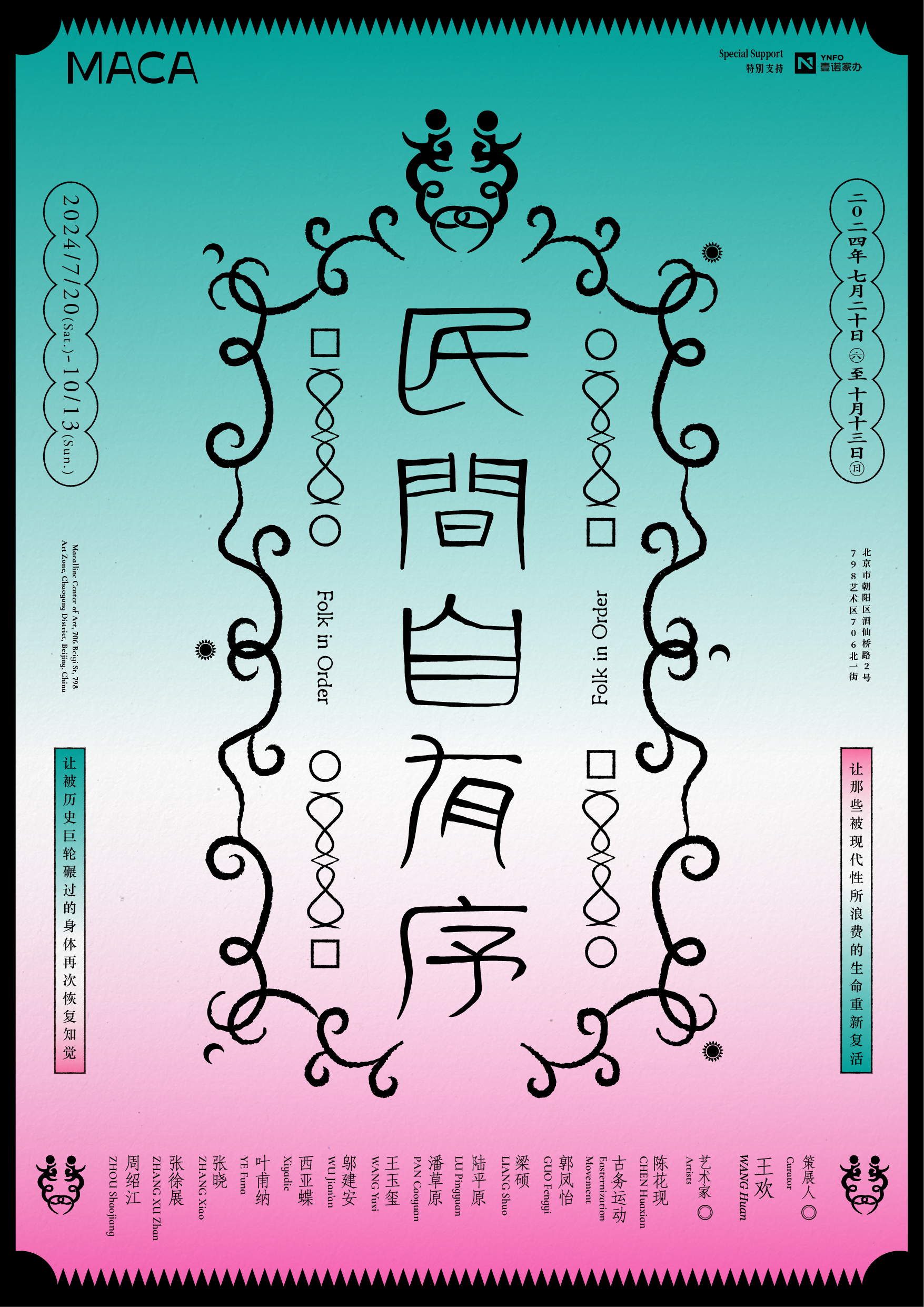
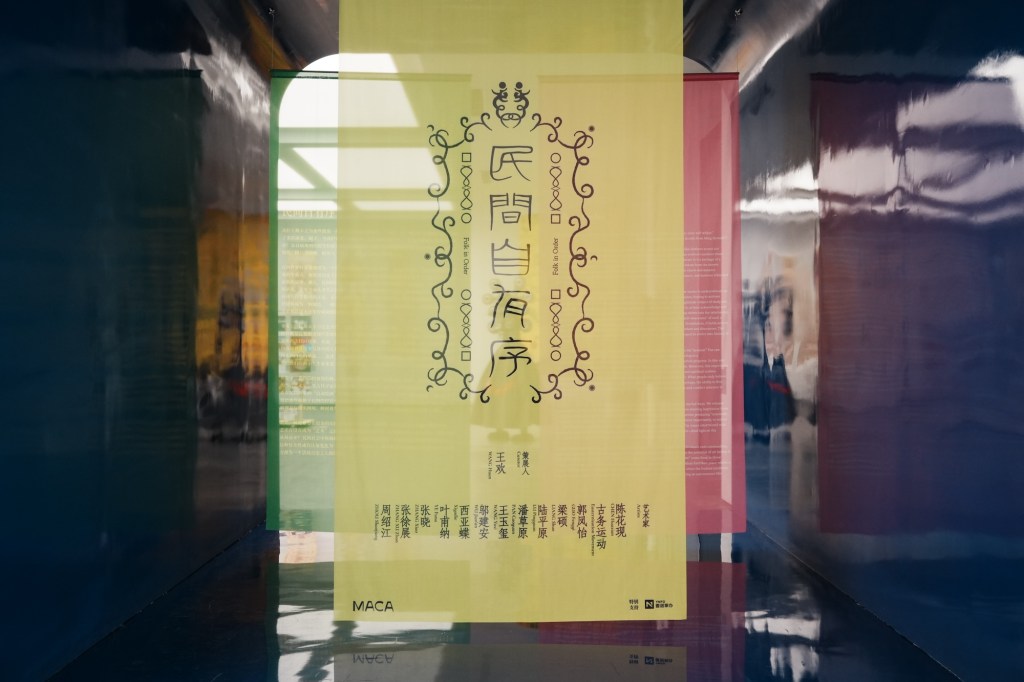
民间自有序
Folk in Order
策展人:王欢
艺术家:陈花现,古务运动发展小组,郭凤怡,梁硕,陆平原,潘草原,王玉玺,邬建安,西亚蝶,叶甫纳,张晓,张徐展,周绍江
Curator: WANG Huan
Artists: CHEN Huaxian, Easternization Movement Development Commission (EMDC), GUO Fengyi, LIANG Shuo, LU Pingyuan, PAN Caoyuan, WANG Yuxi, WU Jian’an, Xiyadie, YE Funa, ZHANG Xiao, ZHANG XU Zhan, ZHOU Shaojiang
2024.07.20—10.13
“一切恩爱有离别,一切山岩有崩缺,一切树木有摧折,一切江河有枯竭。”
——明代宝卷
我们大概不会为那些散落一地的民间质感感到陌生,“民间”这一概念在复线的历史中经历了多次演变。眼下,当我们谈论民间时我们真正谈论的是什么?是来自某种古代传统的继承?是自成规则的原生经验?还是具有极强自我调节能力的民间智慧?它几乎映衬着传统与现代、国民与治理、精英与“大众”之间永远流动的制衡关系。
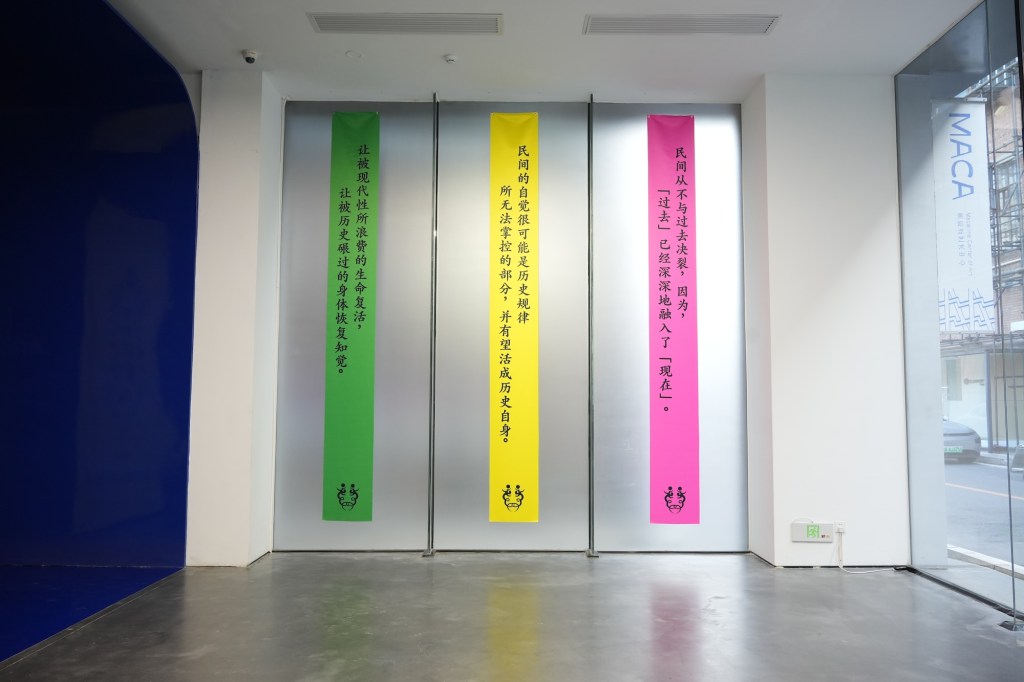
民间世界时常被描述为一个被现代性话语所贬斥的世界,这几乎低估了其流动的特质和顽强的生命力。如果说历史上的知识分子与大众的关系向来是前者寄希望于启蒙后者以推动崭新的叙事,那么,民间经验是否可以成为学习和借鉴的对象?展览提出“民间自有序”的前提,是至少承认并且正视那些未经雕琢与规训的潜力存在,继而触碰民间社会的创造冲动与自发秩序的关系。来自民间的“自觉”不同于知识分子所塑造的精致知识,它们同样能够成为一种期待,一种在现有秩序和话语之外引人走下去的方向,这种自觉很可能是历史规律所无法掌控和调整的部分,并有望活成历史自身。
事实上,民间从不与过去决裂,因为,“过去”已经深深地融入了“现在”。而民间的原生经验则是在貌似逆现代化的行动里,让那些被现代性所浪费的生命复活,让被历史碾过的身体再次找回感知。从而,遥远的事物可以借着当代的仪式还魂登场。来自民间的经验同时点缀着深度参与其中的人们貌似“荒芜”的命运——从肉身流浪到精神流浪;从自我的技术到内心的革命……也许,比起相信一个日常中的神圣时刻,人们真正相信的是信仰能够给他们的渺小人生带来意义和价值,从而,人得以找回生而为人与生俱来的温存。
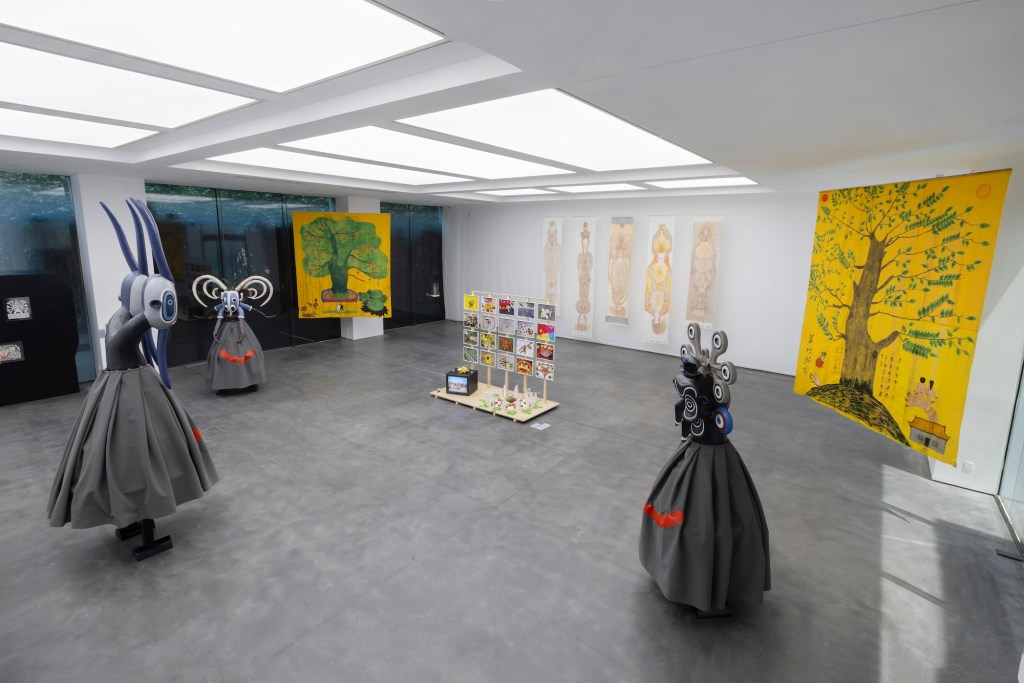
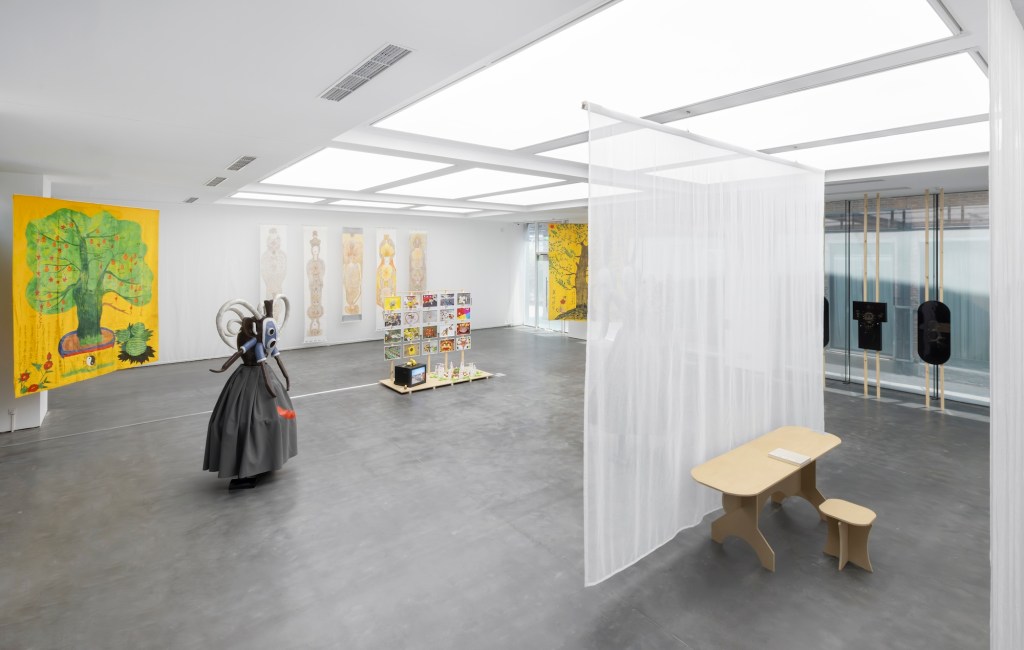
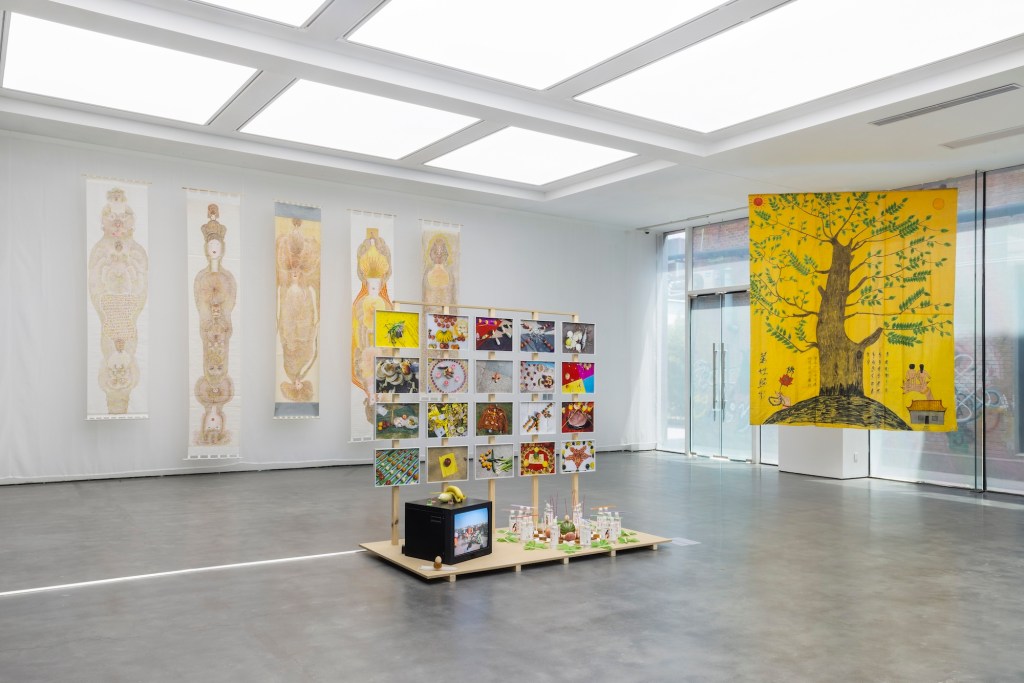
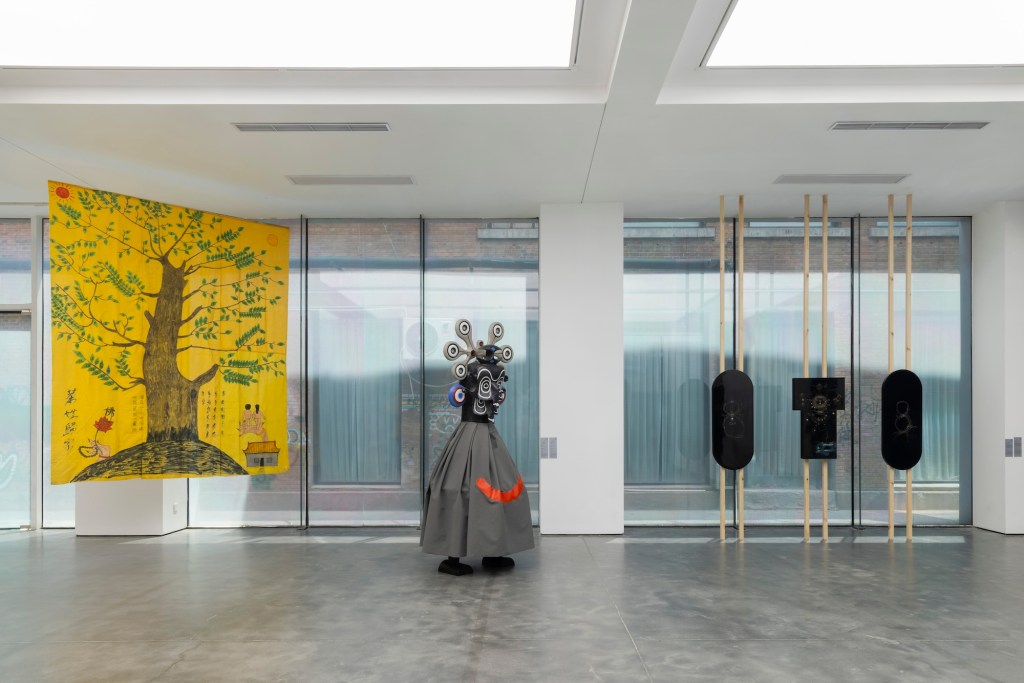
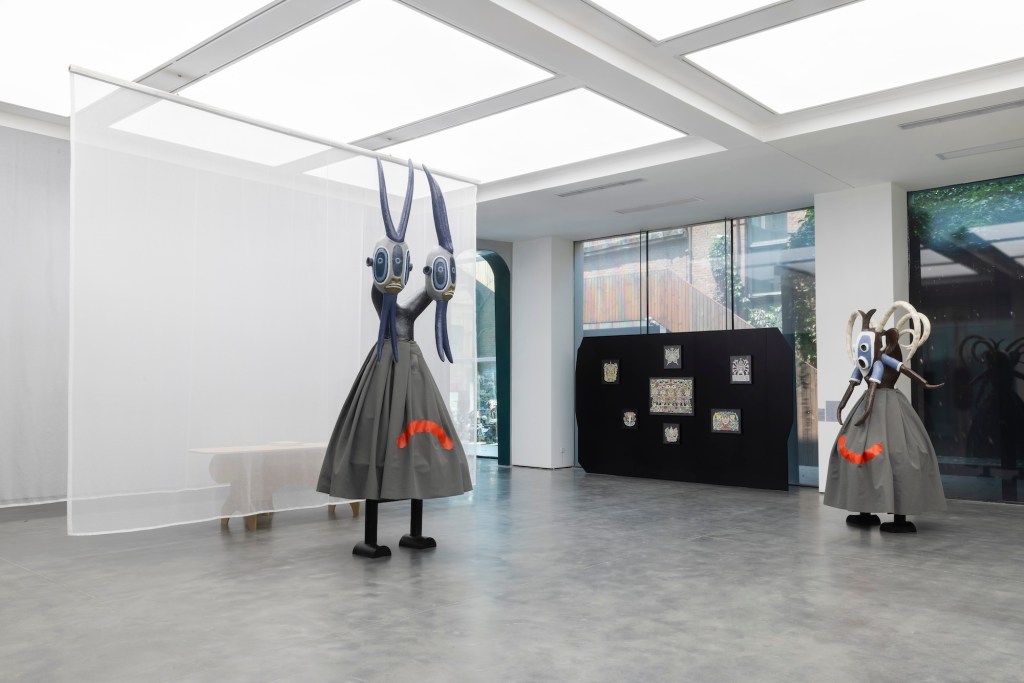
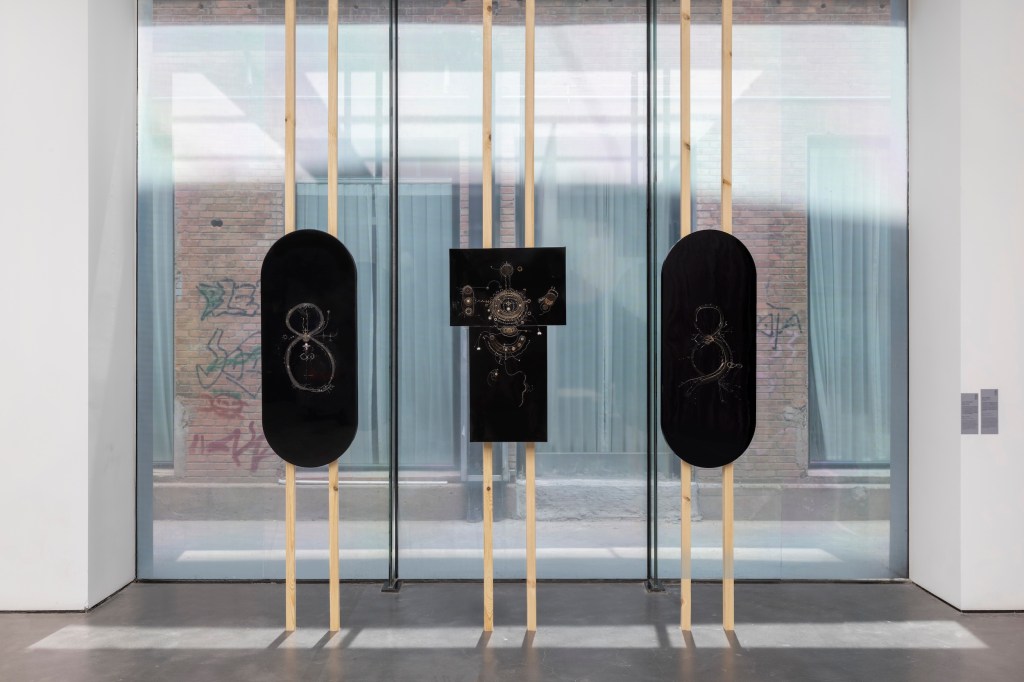
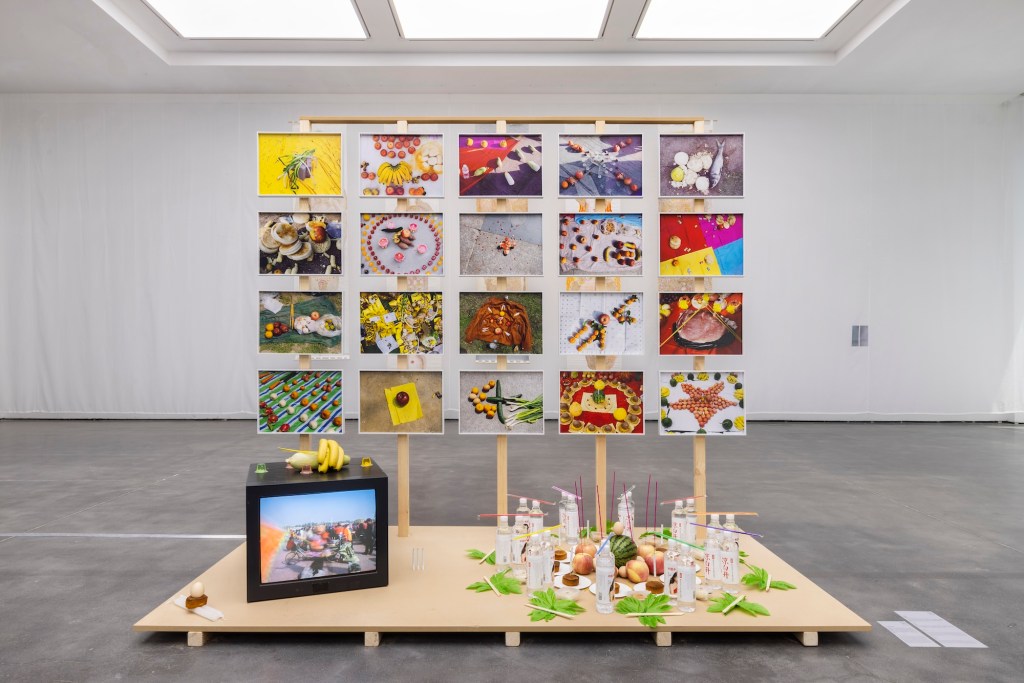
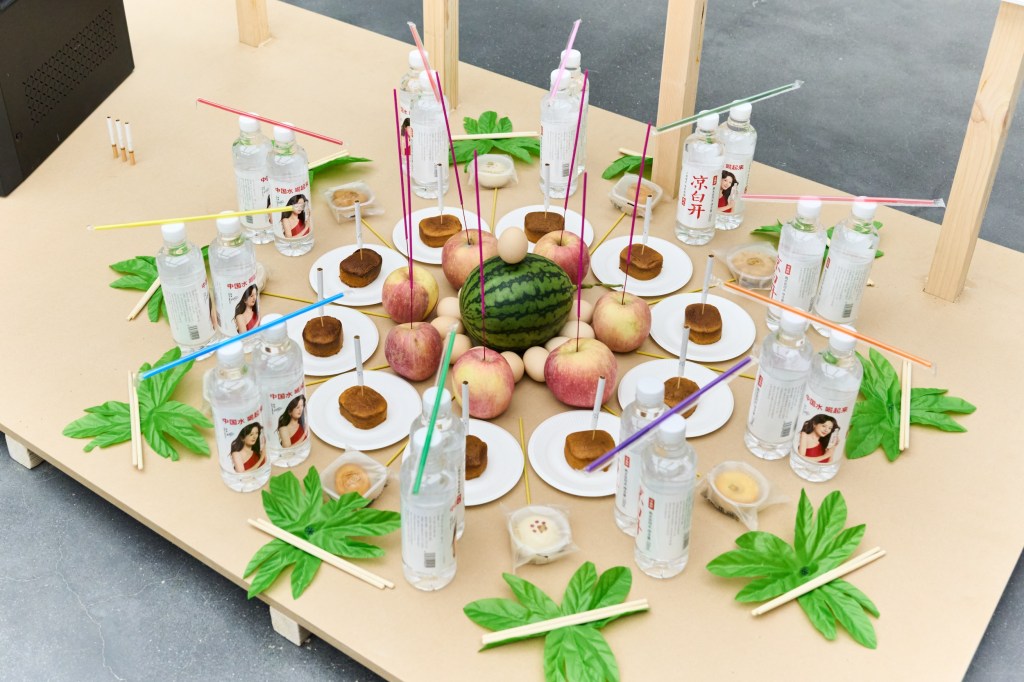
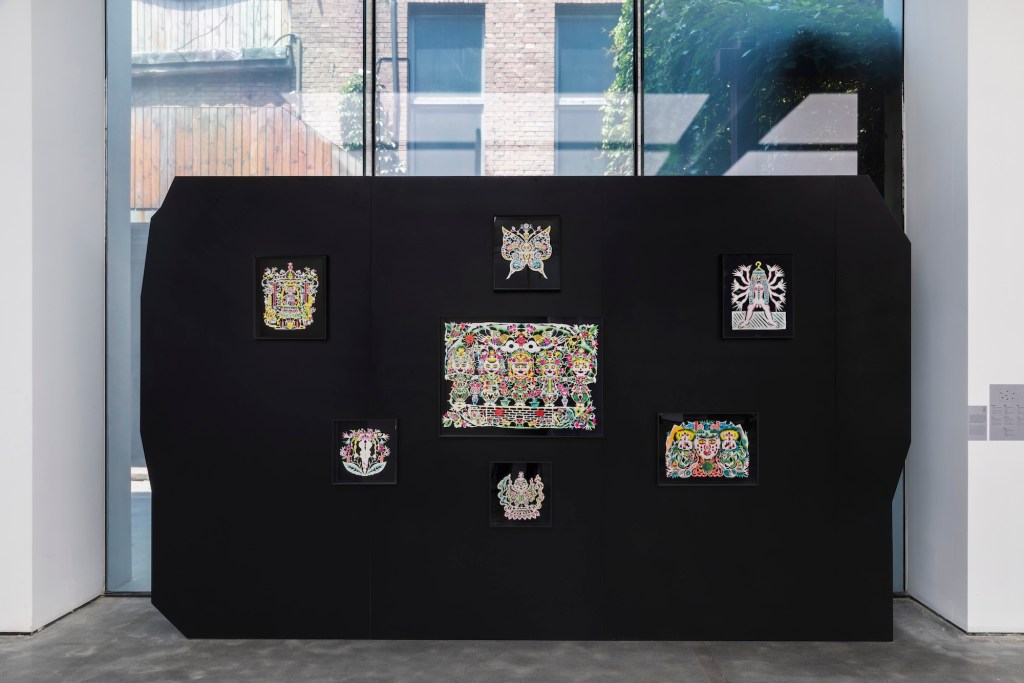
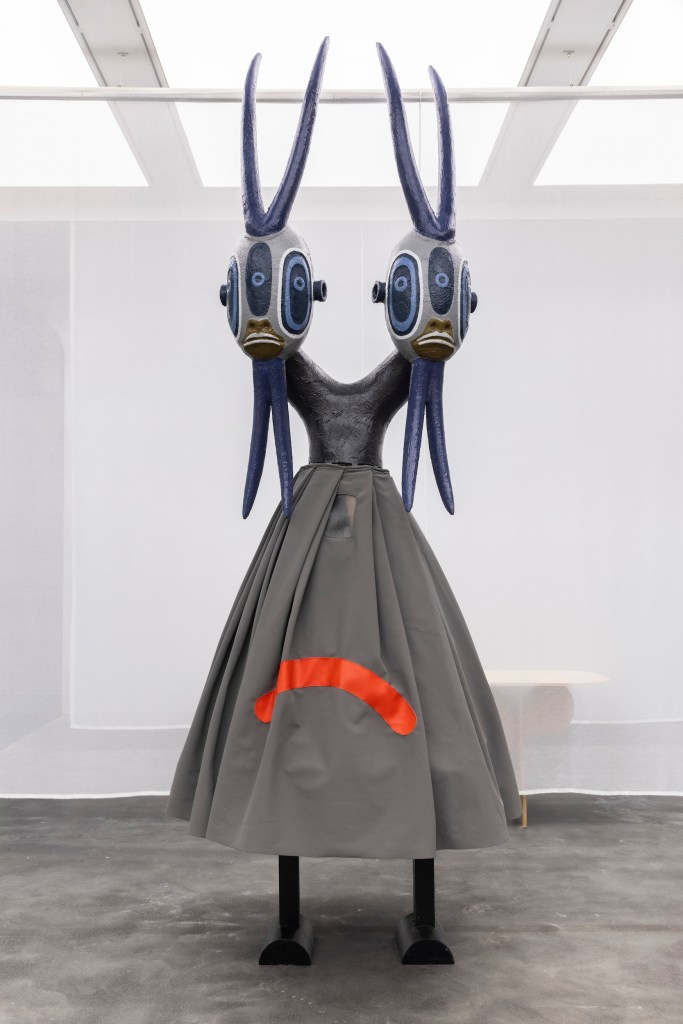
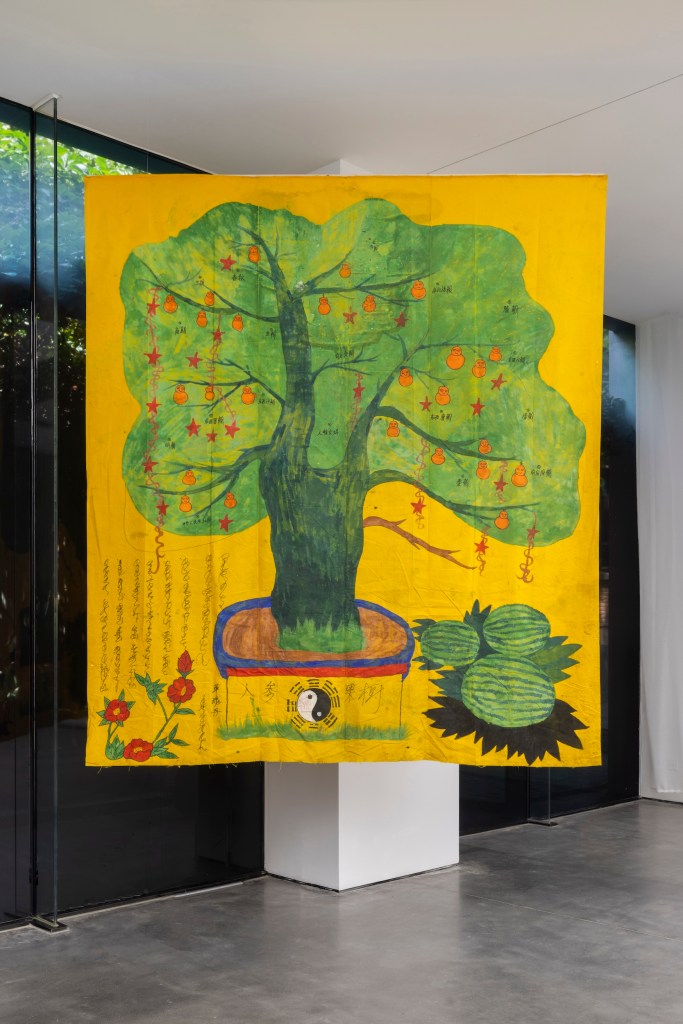
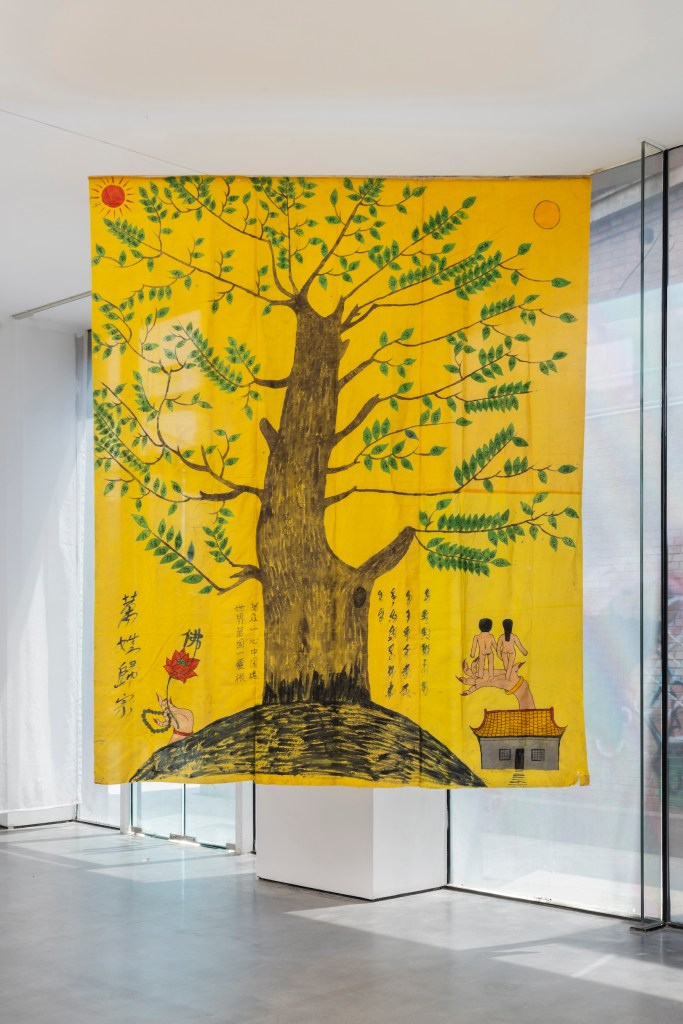
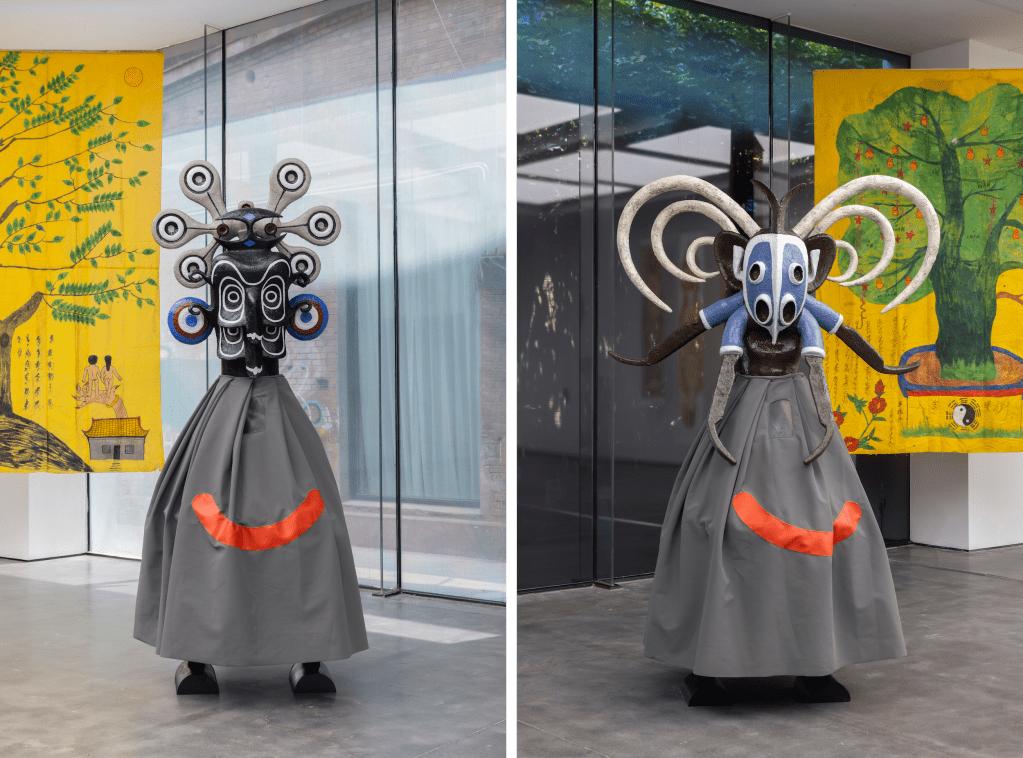
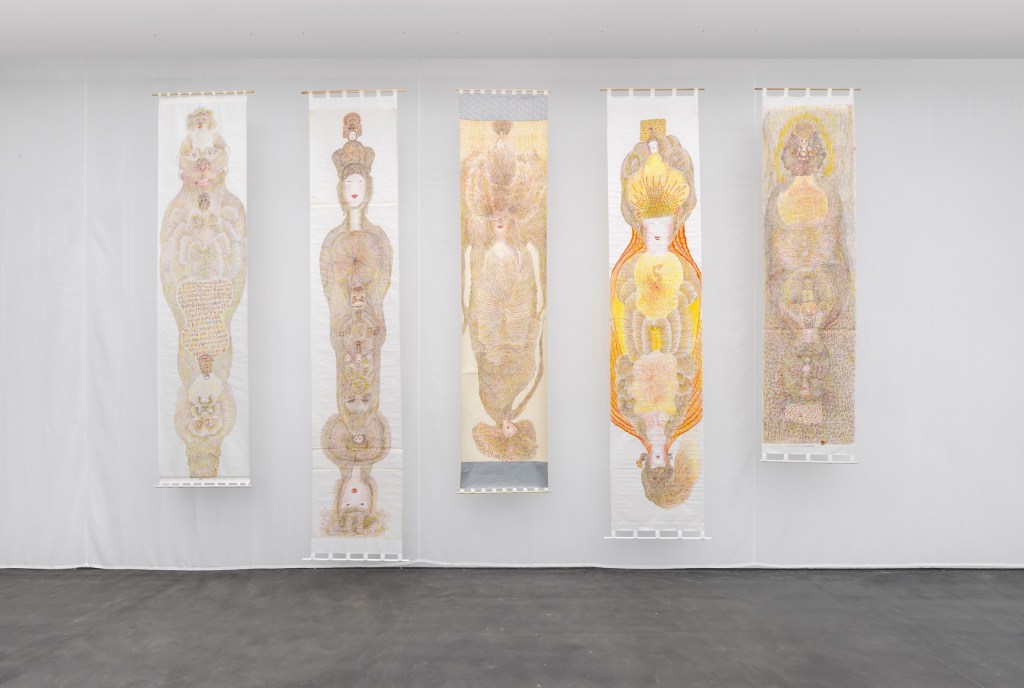
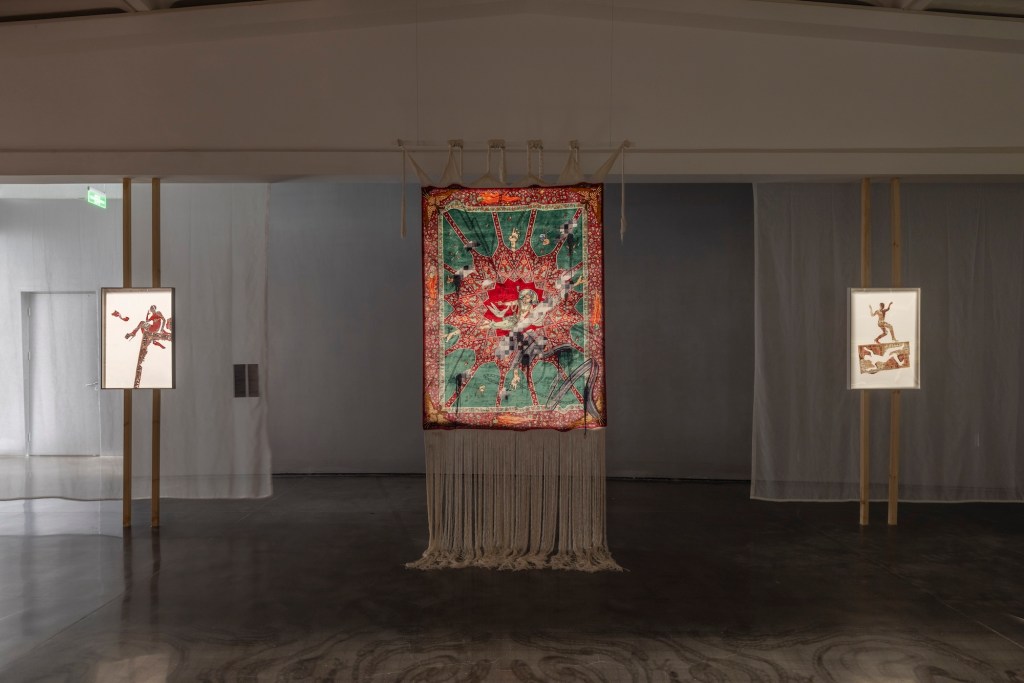
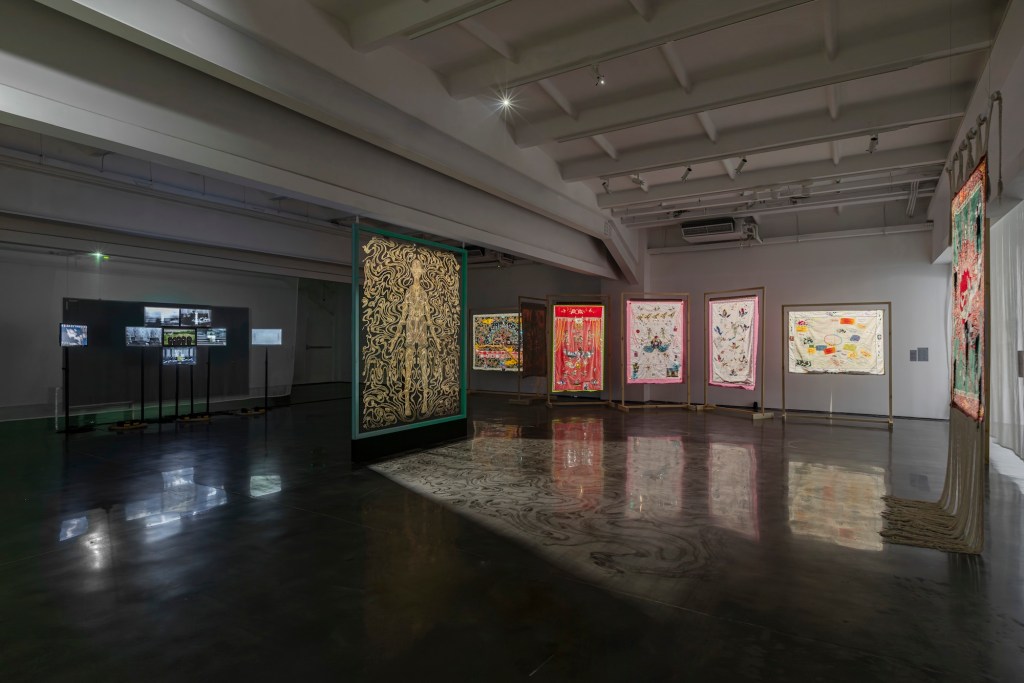
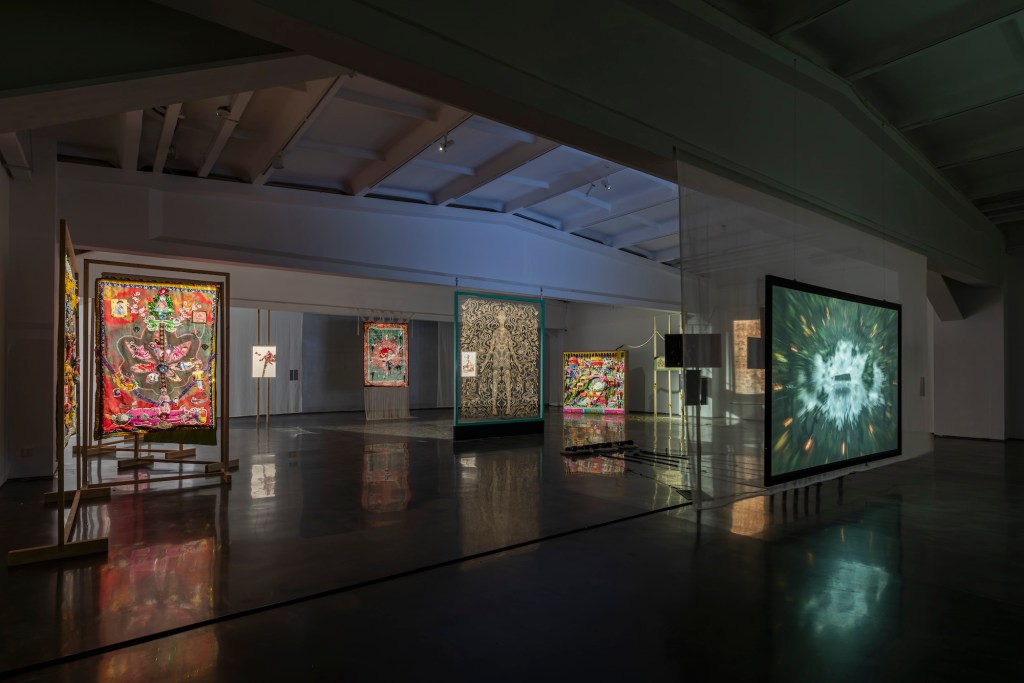
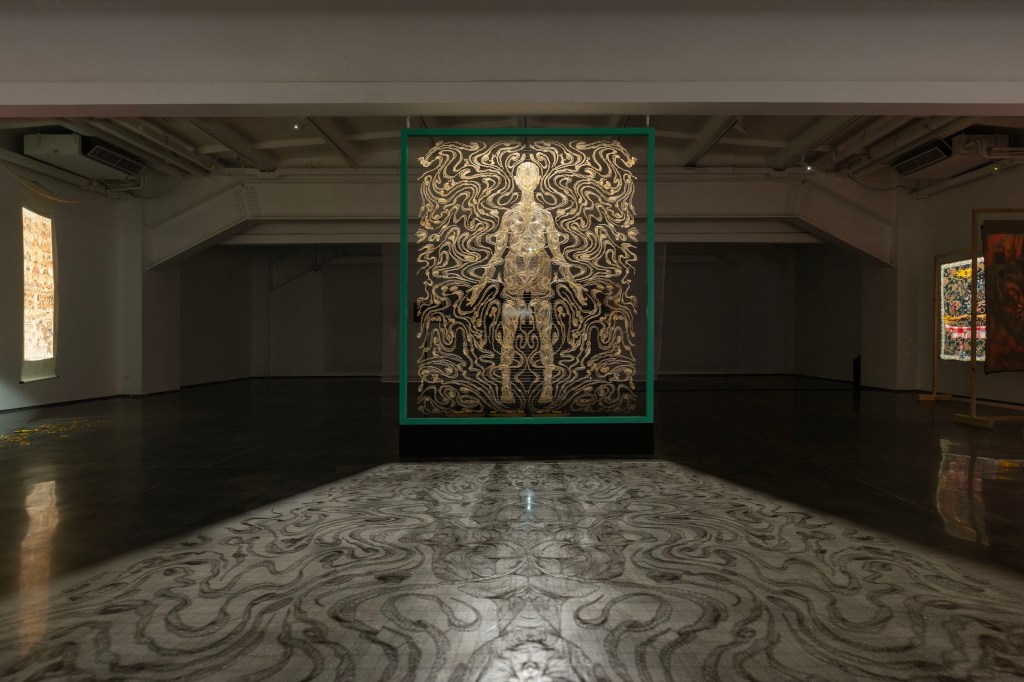
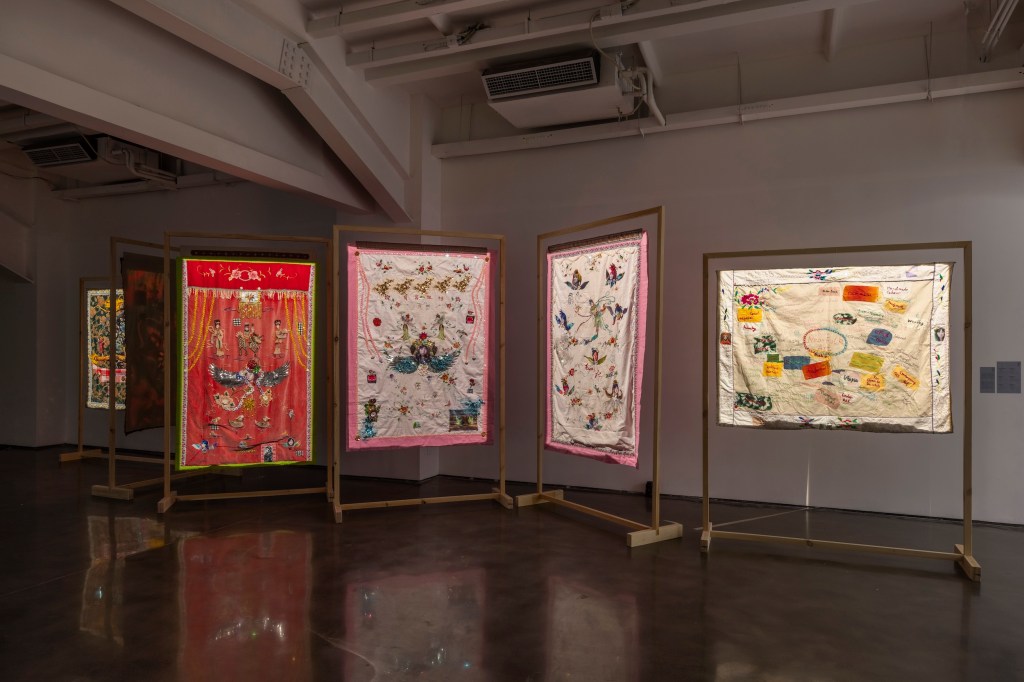
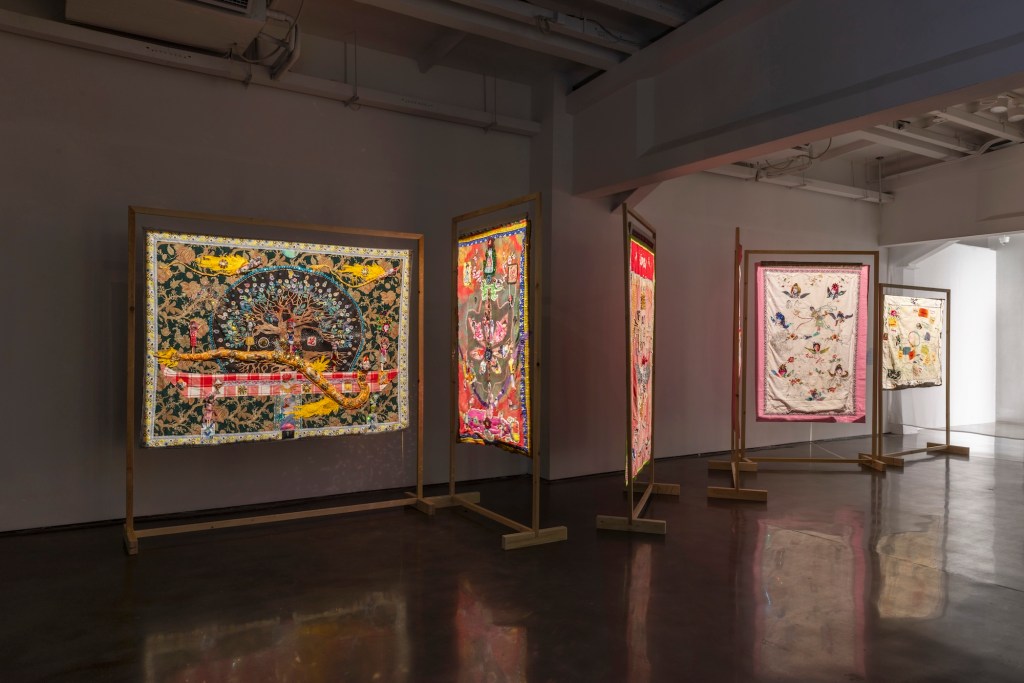
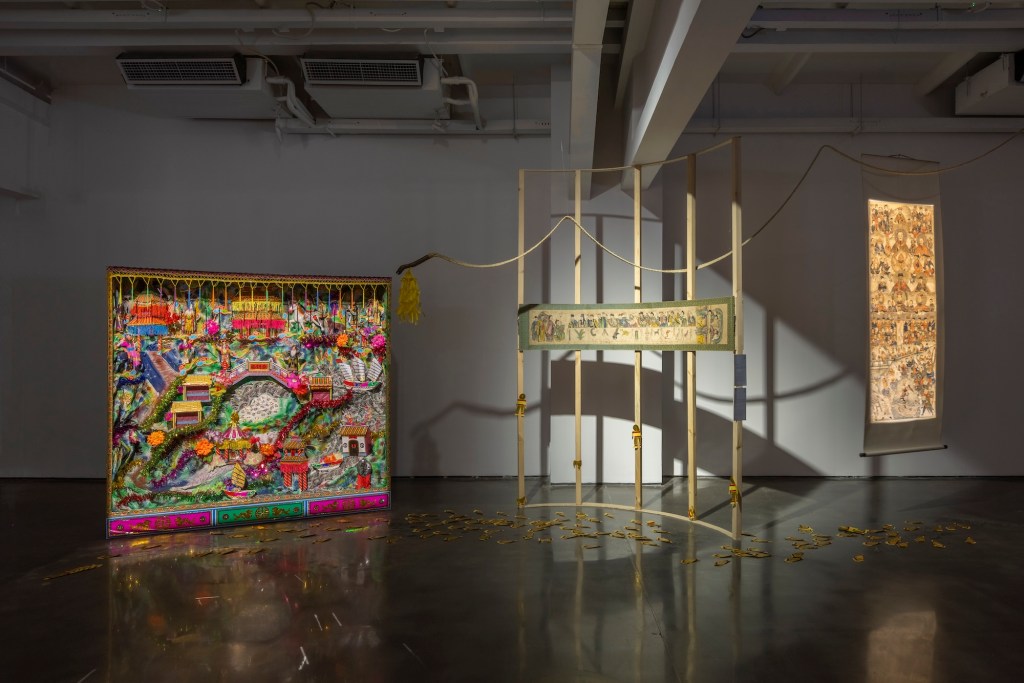
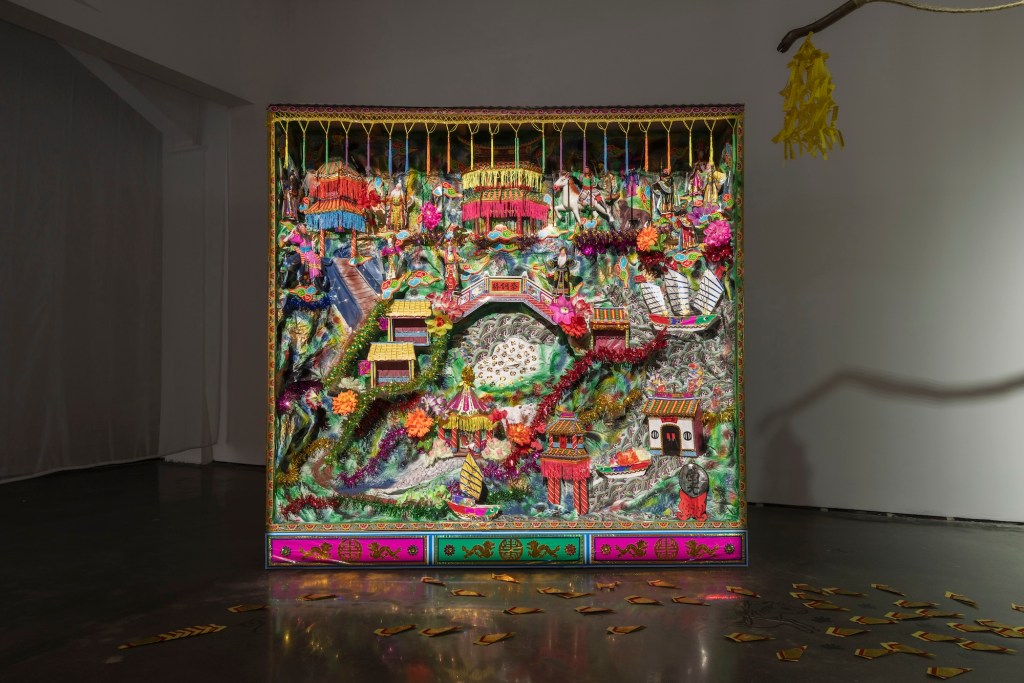
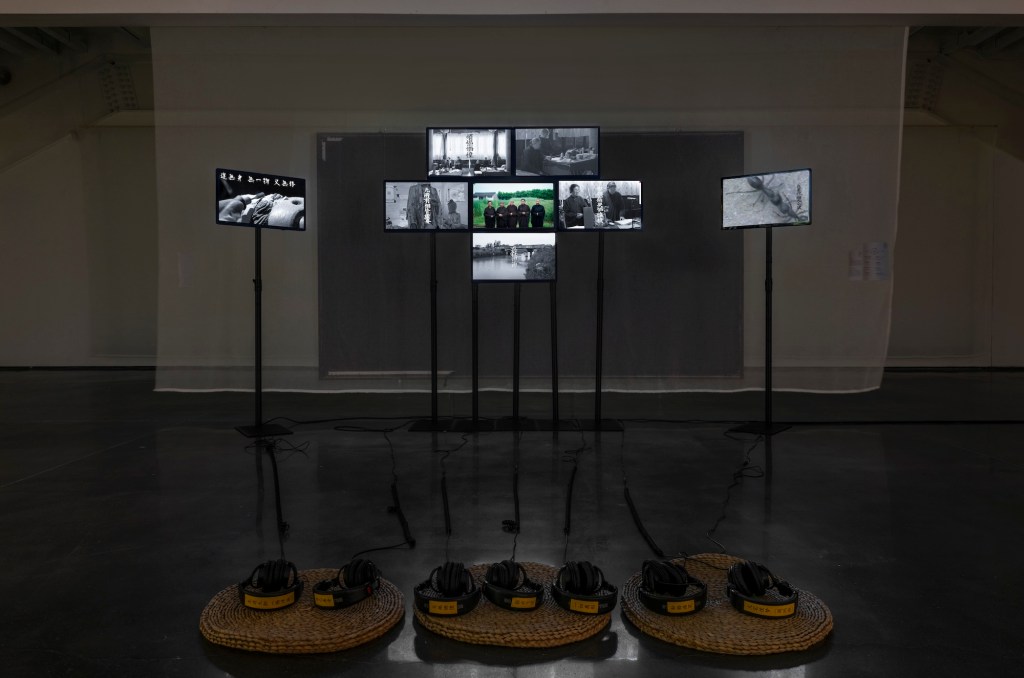
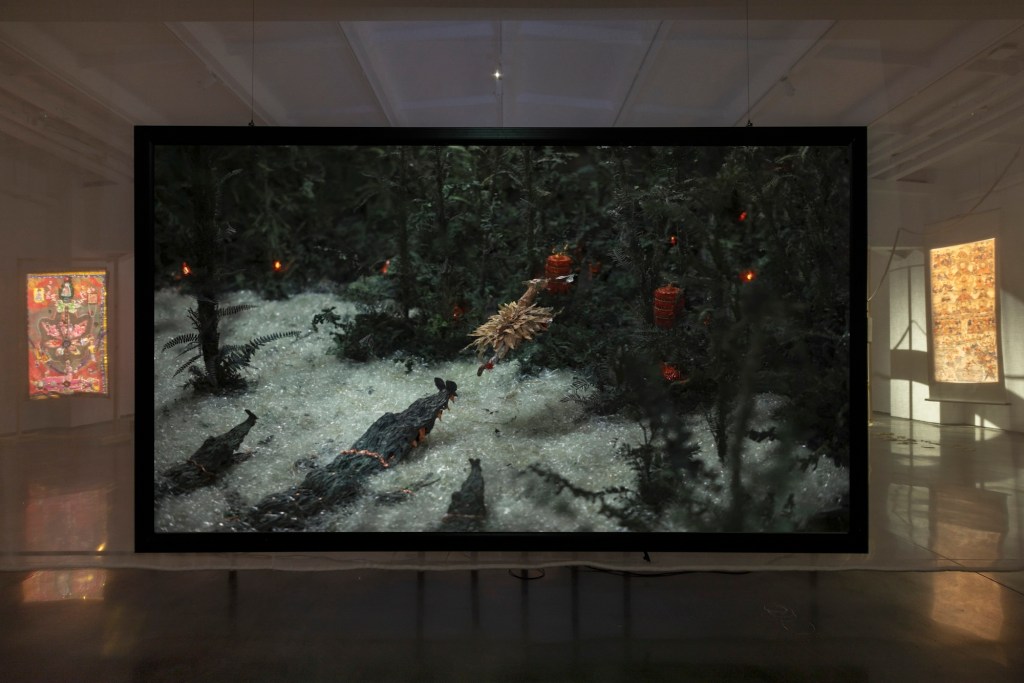
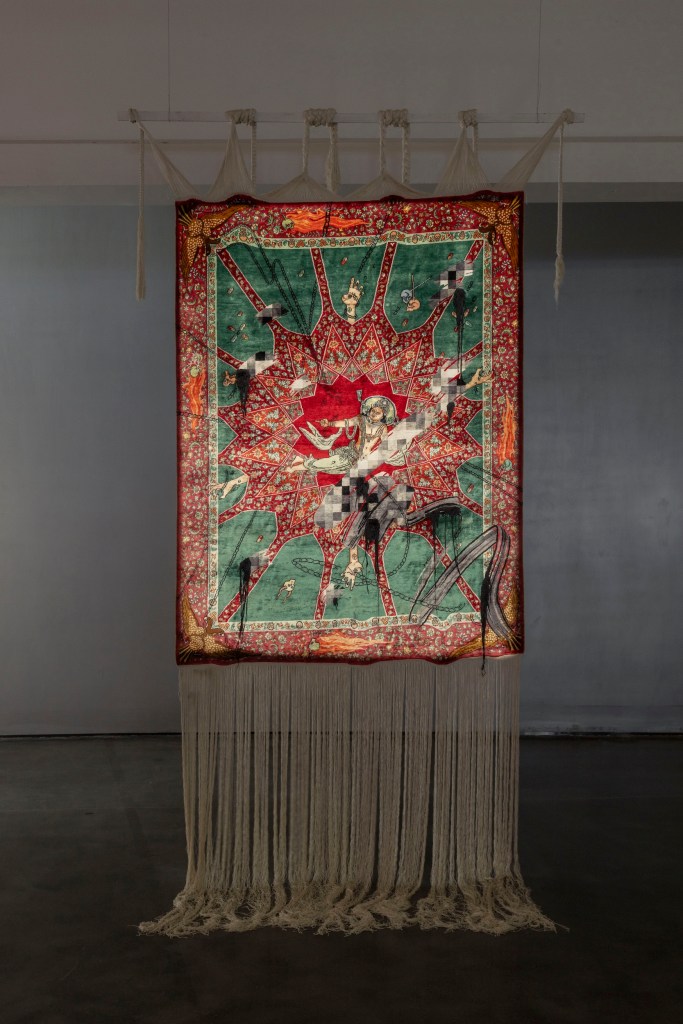
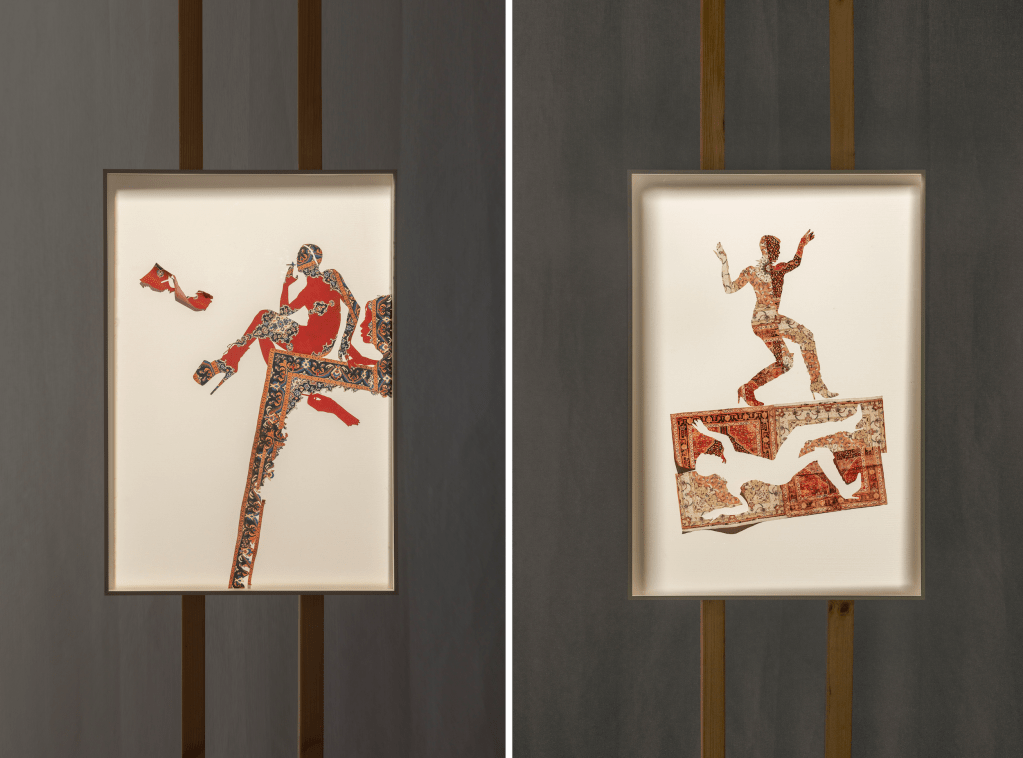
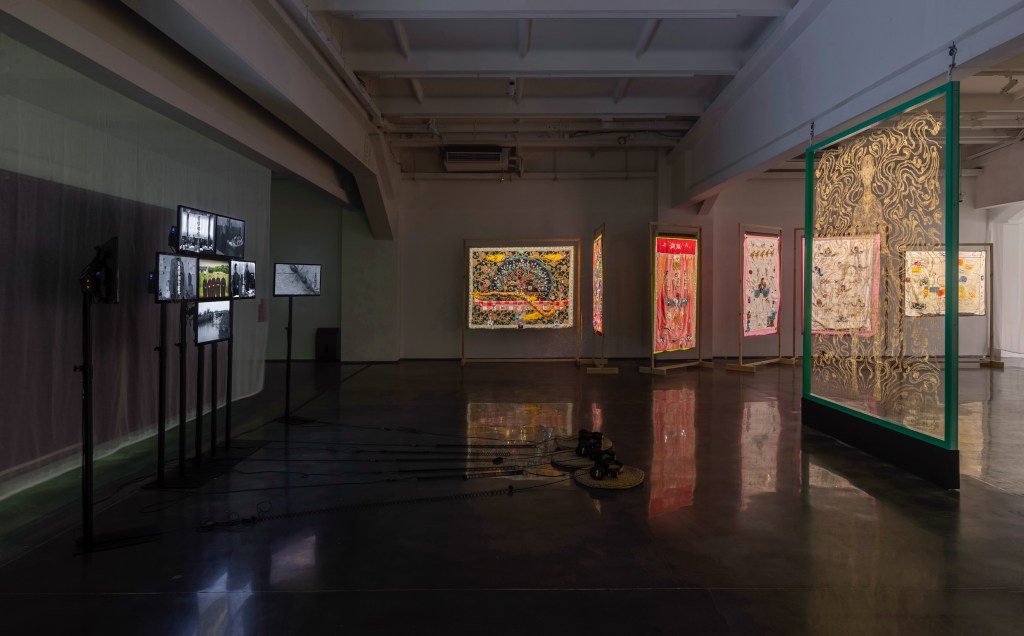
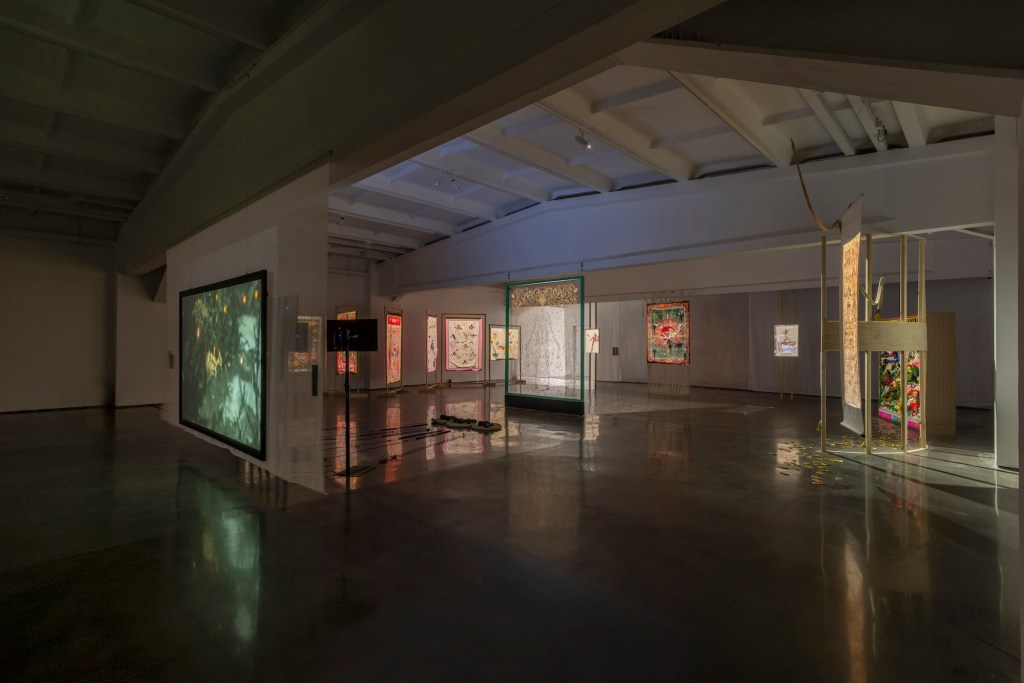
展览中,那些隐约被我们称之为某种“民间的经验”却是如此不同——有与传统艺人合作的当代艺术家、受古代宇宙观启发的跨文化创作者、常年工作于民间田野的文化研究者、亦有民间画家的“自动绘画”和被历史遗忘的民间经歌……但更为重要的是,我们几乎不能把那些脱胎于民间的经验单纯地视为一个美学问题——它们背后所牵连的个体认知、疾病观念与现实困境,映衬着与之相对的群体秩序、自我疗愈和精神寄托的发生机制。
故此,展览希望在驳杂的民间个体或社群背后,捕捉到一些可以带入普遍问题的时刻——艺术在没有成为“艺术”之前的那个潜能究竟是什么?未经训练的人最本质的“创造冲动”从何而来?民间社会中所展现的自我疗愈是如何生效的?个体如何在群体中找回自己?……这种复杂性或许让展览化为一个对人的总体提问——我们能否把民间自发的创造力与生命力视为一个活成自治之人的潜能?
撰文/王欢
“Every love must part ways. Every mountain shall crumble. Every tree should bow. Every river will wither.”
—Mingdai Baojuan (“The Precious Scrolls from Ming Dynasty”)
We are presumably no strangers to the ubiquitous fabric of folk, as it is scattered everywhere like feathers across our cultural landscape. Its concept—the unofficial, self-organized, and people-powered—has evolved countless times throughout bifurcated histories. But now, what do we truly mean when we invoke this term? Is “folk” a heritage of a certain past tradition? A raw experience native to spontaneously set rules? Or the wisdom from the streets containing a strikingly strong capability for self-direction? It almost evinces a dynamic check-and-balance relationship that constantly flows between tradition and modern, nationals and governance, and between elites and the “masses.”
The folk world is often depicted as one dismissed by modernist discourses, yet this view seems to underestimate its fluidity and unyielding vigor. Historically, intellectuals have sought to enlighten the masses, hoping to activate untold narratives. However, what if we were to consider the experiences of the folk as a legitimate subject of study and reference? This exhibition intends to advance the proposition “Folk in Order,” as a way to at least acknowledge and address the untapped potential of those unburdened by a pursuit of refinement or discipline. It thus delves into the relationship between the urge to create and the spontaneous order in a folk-powered society. The “self-awareness” of such a society sets itself apart from the sophisticated knowledge constructed by elitists and intellectuals.
Nonetheless, it holds no less promise of becoming a shared aspiration, a compass guiding people beyond existing orders and discourses. This self-awareness likely shuns scrutiny and revision from historical norms, showing the prospect a potential of evolving into a history of its own right.
In truth, folk never severs itself from the past, for the “past” is profoundly ingrained in the “present.” The raw experiences found among the folk serve to revitalize lives worn down by modernity, acting as a counter-modernization movement that reawakens feelings in bodies trampled by modern progress. In this way, things and memories from ancient times are resurrected through contemporary rituals. Moreover, this experience enriches the supposedly “bleak” fate of those who are deeply involved—their physical and spiritual aimless wanderings, and their transformation from technologies of the self to inner revolution. What people truly believe in when they place their faith in a divine moment occurring within the mundane is, perhaps, the ability to find meaning and value in their seemingly insignificant lives, thus restoring the gentleness and comfort inherent to being human.
Within this exhibition, what we have loosely termed as “folk experience” manifests in a myriad of ways. We witness contemporary artists collaborating with traditional practitioners, trans-cultural creators drawing inspiration from ancient cosmologies, cultural researchers immersed in folk fieldwork, as well as folk artists producing “automatic drawing” and the revival of historically forgotten folklore sutra chanting… However, to reduce the experiences formed within folk realms to mere aesthetics would be a disservice. Instead, the issues intertwined in these experiences—individual cognition, concepts of illness, and real-life predicaments—shed light on the generative mechanisms of collective order, self-healing, and spiritual sustenance.
In light of this, the exhibition aims to reveal the hidden facets of these diverse, folk individuals and communities, capturing moments that allow us to engage with universal questions. What exactly was the potential of art before it became formally recognized as “art?” Where does the most fundamental “urge to create” come from in those without formal training? How do folk societies foster self-healing? How does an individual find their place within a group? Ultimately, this complexity may reframe the exhibition as a broader inquiry into the human condition: Can the spontaneous creativity and vitality of the folk be seen as a wellspring for living an autonomous life?
Text by WANG Huan
媒体报道:
卷宗Wallpaper | 正视“民间经验”,让被抑制和遮蔽的生命“起死回生”
 王欢 WANG Huan